
Multi-family Investments In West San Gabriel Valley
Average Price
Per Unit
Average Cap Rate
Average GRM
Average Price
Per Square Foot
The West San Gabriel Valley has emerged as one of the more competitive submarkets for multi-family investment in Los Angeles County. While it often flies under the radar compared to West Los Angeles or Downtown, experienced investors recognize this area for its consistent rental demand, limited supply, and long-term stability. Working with a knowledgeable West San Gabriel Valley realtor allows investors to better understand how pricing, regulation, and tenant dynamics influence multi-family performance across this submarket.
High barriers to entry define this submarket. Zoning constraints, minimal new construction, and evolving tenant protections have created an environment where uninformed buyers can struggle to meet return expectations. Investors who understand how to underwrite within rent stabilization frameworks, however, are often rewarded with predictable income and steady appreciation.
Tenant behavior further reinforces this stability. Many properties serve long-term residents who prioritize location, schools, and community ties, resulting in low turnover and reliable occupancy. For investors focused on durability rather than short-term volatility, this dynamic is particularly attractive.
Still, West San Gabriel is not a uniform market. Each city presents a distinct balance of entry cost, regulatory exposure, and cash-flow potential. Successful investing here requires aligning the right asset and strategy with broader portfolio goals, whether that involves long-term wealth preservation, measured cash-flow growth, or a well-structured 1031 exchange.

Table of Contents
Brief History
The Western San Gabriel Valley, encompassing cities like Pasadena, Alhambra, and San Gabriel, offers a compelling opportunity for multi-family residential investors. This area boasts a diverse and steadily growing population, attracted by its cultural richness, educational institutions, and proximity to Los Angeles. The region’s accessibility to major employment centers, coupled with a variety of lifestyle amenities, fuels a strong demand for rental housing, making it an appealing choice for investment.
Economic vitality is a key feature of the Western San Gabriel Valley, with industries such as technology, healthcare, and education contributing to job growth and economic stability. This creates a robust rental market, offering investors the potential for consistent rental income and property value appreciation.
The transportation infrastructure in the Western San Gabriel Valley is well-developed, with major highways and public transit options facilitating easy commutes and access to amenities. Investors should consider the specific demographics and preferences of residents in different cities within this region to tailor their investment strategies effectively.
In summary, the Western San Gabriel Valley is an attractive and dynamic region for multi-family residential investments. Its diverse population, economic opportunities, and accessibility factors make it a promising destination for investors seeking long-term growth and profitability in the Southern California real estate market.
Multi-Family Investment Profiles Across West San Gabriel
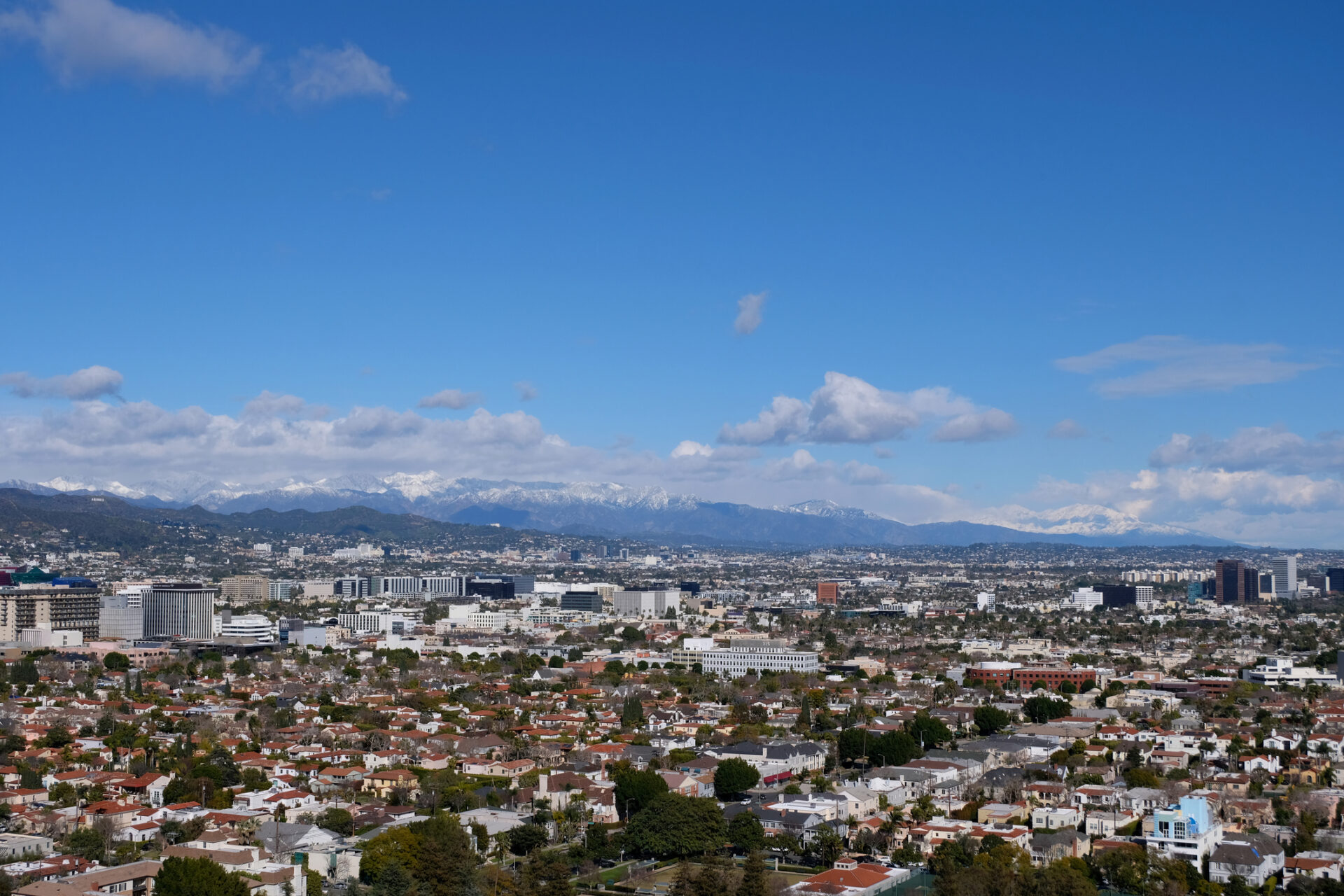
Although the West San Gabriel Valley is often grouped into a single investment market, meaningful differences exist at the city level. Entry pricing, tenant behavior, regulatory exposure, and long-term upside vary across Rosemead, San Gabriel, and Temple City. Understanding these distinctions is essential for investors looking to align acquisition strategy with portfolio objectives rather than relying on broad market assumptions.
-
Rosemead: High Entry Costs, Stable Long-Term Tenancy
Similar to Monterey Park apartment buildings, multi-family assets in Rosemead often trade at higher entry prices due to limited inventory, long-term tenancy, and strong underlying demand. Rosemead is widely regarded as one of the most stable multi-family submarkets within the West San Gabriel Valley. Properties here command higher entry prices and lower initial yields, but that trade-off is offset by long-term tenancy and consistent occupancy. Many buildings are smaller-scale assets, including two- to four-unit properties, held by long-term owners and passed down generationally.
Tenant turnover in Rosemead is typically low. The city’s strong cultural cohesion, proximity to employment centers, and access to reputable school districts contribute to long-term residency. From an investment standpoint, this stability reduces vacancy risk and limits income volatility, making Rosemead particularly appealing to investors focused on preservation of capital and steady appreciation.
The primary challenge in Rosemead lies in pricing and regulatory compliance. Acquisition costs are among the highest in the West San Gabriel Valley, and rent growth is constrained by Los Angeles County rent stabilization ordinances and tenant protection measures. As a result, investors entering this market must underwrite conservatively and view performance through a long-term lens rather than expecting near-term cash-flow expansion.
For seasoned investors, Rosemead often functions as a defensive allocation within a broader portfolio. It is well-suited for those prioritizing asset durability, exchange-driven acquisitions, or long-hold strategies where appreciation and income consistency outweigh short-term yield.
-
San Gabriel: Balanced Opportunity with Mid-Range Entry
San Gabriel occupies a middle ground within the West San Gabriel Valley, offering a more balanced combination of entry pricing, income potential, and operational flexibility. Compared to Rosemead, acquisition costs are generally more approachable, while cash-flow performance often improves modestly depending on asset condition and management strategy.
The city’s multi-family inventory is more architecturally diverse, ranging from older courtyard-style buildings to mid-century walk-ups and mixed-use residential properties. This variety creates opportunities for investors evaluating a San Gabriel investment property with both income stability and selective improvement potential, particularly in assets that have been under-managed or lightly renovated over time.
Rental demand in San Gabriel is strong, supported by access to established school districts, transportation corridors, and nearby employment centers. While tenant protections under Los Angeles County rent stabilization still apply, investors who understand allowable rent increases, capital improvement pass-throughs, and compliance requirements can often incrementally increase income without incurring excessive turnover risk.
San Gabriel also attracts investors seeking flexibility within a regulated environment. Properties with larger lot sizes or favorable layouts may offer additional upside through accessory dwelling units or reconfiguration, subject to zoning and permitting constraints. These opportunities appeal to value-oriented buyers who are willing to navigate regulation in exchange for improved long-term performance.
From a portfolio perspective, San Gabriel is frequently selected by investors looking to balance yield and stability. It is well-suited for those pursuing moderate cash-flow growth while maintaining exposure to a high-demand, supply-limited submarket within Los Angeles County.
-
Temple City: Lower Price, Higher Yield—But Know the Risks
Temple City represents the most accessible entry point for multi-family investors within the West San Gabriel Valley. Relative to Rosemead and San Gabriel, acquisition pricing is typically lower, and initial cash-flow yields can be more attractive. These dynamics have drawn increased interest from investors seeking income-driven strategies as pricing pressure intensifies in surrounding markets.
Much of Temple City’s multi-family inventory consists of older buildings that may require capital improvements to reach optimal performance. While this creates opportunities for value-add strategies, it also introduces additional execution risk. Deferred maintenance, aging building systems, and evolving compliance standards require careful due diligence and realistic budgeting before acquisition.
Regulatory considerations are an important factor. Although Temple City may feel operationally more flexible than neighboring markets, Los Angeles County rent stabilization and tenant protection measures still apply. Investors pursuing rent growth must do so within established legal frameworks, and renovation-driven strategies often require longer timelines to achieve stabilized returns.
The investor profile drawn to Temple City tends to differ from those focused on Rosemead or San Gabriel. Cash-flow-oriented buyers, first-time multi-family investors entering the West San Gabriel Valley, and value-add operators willing to manage renovation and compliance risk often find Temple City aligns more closely with their objectives.
As pricing continues to rise for Pasadena duplexes for sale, some investors are expanding their search into Temple City, where relative entry costs may be more accessible depending on asset condition and strategy.
The Regulatory Landscape: What Landlords Must Navigate
Multi-family investing in the West San Gabriel Valley operates within a regulatory environment that requires careful attention and ongoing compliance. While Rosemead, San Gabriel, and Temple City each maintain their own municipal structures, multi-family properties across all three cities are subject to Los Angeles County and the State of California tenant protection frameworks. For investors, understanding how these regulations intersect with acquisition strategy is essential.
Rent Stabilization and Income Growth Limitations
Rent stabilization ordinances play a central role in shaping income performance. Allowable rent increases are capped, and annual adjustments are tied to established guidelines rather than market-driven demand. As a result, projected rent growth must be underwritten conservatively, particularly for assets with long-term tenants or limited renovation flexibility.
Tenant Protections and Operational Impact
Tenant protections further influence operational decision-making. Just Cause eviction requirements, relocation assistance obligations, and extended notice periods can materially affect both property management and exit strategies. Investors must factor these considerations into acquisition timelines and capital planning, especially when pursuing value-add or repositioning strategies that involve tenant turnover.
Building Safety and Compliance Requirements
Building safety and compliance requirements add another layer of complexity. Periodic inspections, habitability standards, and documentation obligations can create unanticipated costs for owners who have not thoroughly evaluated a property’s condition prior to purchase. In older buildings, deferred maintenance or non-conforming improvements may require corrective action to remain compliant.
Lease Structures and Rent Adjustment Practices
Lease structures and rent adjustment practices also warrant close attention. Proper documentation, adherence to notice requirements, and accurate record-keeping are critical for maintaining compliance and protecting income streams. Investors who approach acquisitions without a clear understanding of these operational realities may find that regulatory friction erodes projected returns.
Aligning Strategy With a Regulated Environment
In this environment, successful investing in the West San Gabriel Valley depends less on aggressive assumptions and more on disciplined underwriting and informed management. Investors who align strategy with regulatory constraints are better positioned to achieve stable performance while mitigating risk over the life of the asset.
Buyer Profiles & Popular Strategies in West San Gabriel
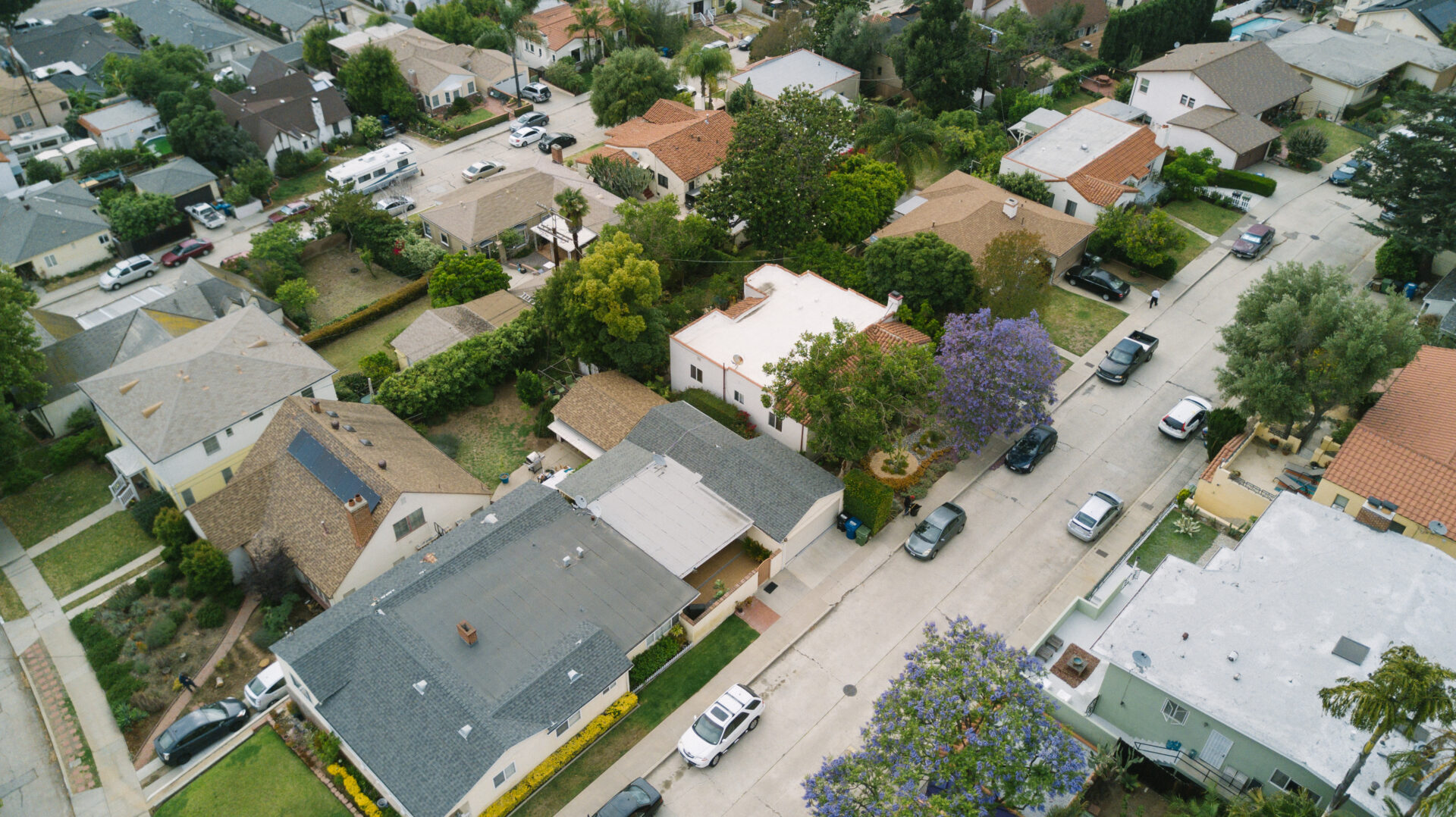
Investor activity in the West San Gabriel Valley reflects a range of objectives shaped by pricing, regulation, and long-term market fundamentals. Rather than attracting a single buyer type, the area supports several distinct investor profiles, each employing strategies designed to operate effectively within a regulated, supply-constrained environment. Investors working with an experienced West San Gabriel Valley realtor are better positioned to align acquisition strategy with regulation, pricing realities, and long-term portfolio objectives. Investors comparing opportunities in West San Gabriel with nearby Alhambra income properties often note differences in entry pricing, tenant tenure, and regulatory exposure, particularly when evaluating long-term hold strategies.
-
1031 Exchange Investors Seeking Stability
A significant share of acquisitions in West San Gabriel is driven by 1031 exchange buyers reallocating capital from other Southern California markets. These investors are typically focused on preserving equity, deferring capital gains, and transitioning into assets that offer long-term stability rather than aggressive yield.
Markets such as Rosemead and parts of San Gabriel are often selected for this purpose due to consistent occupancy, limited new supply, and strong underlying demand. For exchange-driven buyers, the emphasis is placed on durability, predictable income, and long-hold performance rather than short-term operational upside.
-
Value-Add Buyers Focused on Incremental Improvement
Value-add investors are also active across the West San Gabriel Valley, particularly in submarkets where older inventory presents opportunities for measured improvement. These buyers typically target assets with deferred maintenance, below-market rents, or operational inefficiencies that can be addressed without triggering excessive regulatory friction.
In cities like San Gabriel and Temple City, interior upgrades, improved property management, and selective capital improvements can support gradual income growth over time. Successful value-add strategies here tend to prioritize compliance, tenant retention, and phased execution rather than rapid repositioning.
-
Long-Term Hold Investors Prioritizing Appreciation
Another common buyer profile consists of long-term investors focused primarily on appreciation and income stability. These buyers often accept lower initial yields in exchange for exposure to supply-limited markets with strong demographic and location fundamentals.
Rosemead frequently appeals to this investor group, as long-term tenancy and limited turnover contribute to predictable operating performance. For these buyers, the investment thesis centers on holding through market cycles while benefiting from gradual appreciation and steady cash flow.
-
Strategy Alignment and Portfolio Planning
Across all buyer profiles, success in West San Gabriel is closely tied to strategic alignment. Investors who clearly define their objectives, whether exchange-driven, income-focused, or appreciation-oriented, are better positioned to select assets that perform as expected within regulatory and operational constraints.
Portfolio planning plays a critical role in this process. Evaluating how a West San Gabriel acquisition complements existing holdings, risk exposure, and time horizon helps investors avoid mismatches between asset characteristics and performance expectations.
Frequently Asked QuestionsAbout Multi-Family Investing in West San Gabriel
Is West San Gabriel a good market for first-time multi-family investors?
West San Gabriel can be suitable for first-time multi-family investors, but it is not considered a low-complexity entry market. Pricing, regulation, and tenant protections require conservative underwriting and a clear understanding of operational responsibilities. Investors entering this market for the first time often benefit from focusing on smaller assets and prioritizing stability over aggressive yield assumptions.
How do rent control laws affect multi-family investments in this area?
Multi-family properties in Rosemead, San Gabriel, and Temple City are subject to Los Angeles County and State of California rent stabilization and tenant protection regulations. These laws cap allowable rent increases and influence tenant turnover strategies. As a result, income growth is typically incremental, and successful investors underwrite with long-term performance in mind rather than relying on rapid rent adjustments.
Which city offers the best cash-flow potential?
Cash-flow potential varies by asset condition, entry price, and execution strategy rather than by city alone. Temple City often presents more attractive initial yields due to lower acquisition costs, while San Gabriel can offer moderate income growth through value-add strategies. Rosemead generally favors stability and appreciation over near-term cash flow.
Are value-add strategies realistic in a regulated market like West San Gabriel?
Value-add strategies are possible, but they require patience and compliance-focused execution. Interior upgrades, operational improvements, and phased renovations tend to be more effective than aggressive repositioning. Investors must account for tenant protections, relocation requirements, and longer stabilization timelines when pursuing value-add opportunities.
Is West San Gabriel a strong market for 1031 exchange buyers?
Yes, West San Gabriel frequently attracts 1031 exchange investors seeking long-term stability and predictable income. Limited inventory, consistent rental demand, and supply constraints make the area appealing for investors looking to preserve capital and defer taxes while transitioning into durable multi-family assets. Investors often work with a West San Gabriel Valley realtor to evaluate how exchange timelines, regulations, and asset stability intersect when identifying suitable replacement properties.
What are the biggest risks investors should account for?
The primary risks include regulatory compliance, deferred maintenance in older buildings, and unrealistic income projections. Investors who underestimate operational costs or overestimate rent growth may see returns eroded over time. Careful due diligence, conservative underwriting, and alignment between asset selection and strategy are key to mitigating these risks.
Why Investors Choose The Apartment Dealer in West San Gabriel
Successful multi-family investing in the West San Gabriel Valley requires more than general market knowledge. Regulation, underwriting discipline, and long-term strategy all play a central role in determining outcomes, particularly in a supply-constrained environment.
As a West San Gabriel Valley realtor focused on multi-family investment real estate, The Apartment Dealer brings a depth of market knowledge shaped by more than 17 years of advising investors across areas like Rosemead, San Gabriel, and Temple City.
Our advisory approach emphasizes disciplined analysis. Properties are evaluated with close attention to regulatory exposure, tenant composition, capital requirements, and exit considerations. This allows investors to avoid common misalignments between projected returns and operational realities in regulated markets.
Through long-standing relationships and a proprietary inventory pipeline, we provide access to opportunities that may not be widely marketed, including assets suitable for long-term holds, 1031 exchanges, and select value-add strategies. Our objective is alignment, not transaction volume.
In a market shaped by regulation and pricing pressure, investors benefit from working with a brokerage that understands the full lifecycle of multi-family ownership. Our role is to support informed decision-making, risk management, and long-term wealth creation through disciplined apartment investing.
Take the Next Step
If you are evaluating a multi-family opportunity in the area, work with a trusted West San Gabriel Valley realtor. To discuss market conditions or review investment options, contact The Apartment Dealer at 626.427.0786 or leave a message here.
Listings
AIOS Custom iHomefinder Shortcode Results Page: Error! Unable to find iHomefinder main container...