
Multi-family Investments In Inland Empire East
Average Price
Per Unit
Average CAP Rate
Average GRM
Average Price
Per Square Foot
Investing in Inland Empire East multi-family properties offers savvy investors the opportunity to make strong returns on their investment in an area that is increasingly attractive to tenants. This vibrant region, known for its diverse communities and strong economic growth, is an ideal investment location not only for seasoned investors but also for those looking to begin their careers as landlords.
Here, we’ll explore your options in the multi-family real estate market of Inland Empire East and discover why it might be the perfect place for your next commercial property.

Table of Contents
Brief History
When it comes to identifying the best multi-family real estate markets in Southern California, the Inland Empire consistently stands out. While the western side of the region often claims the spotlight, investors are increasingly turning east, where cities like Bloomington, Colton, Fontana, and Rialto offer untapped potential, steady tenant demand, and pricing well below coastal markets. Whether you’re evaluating a Fontana income property, surveying San Bernardino apartment buildings, or comparing Redlands duplexes for sale, this side of the county has become a proving ground for investors who recognize opportunity early.
Inland Empire East blends affordability, accessibility, and steady population growth with the kind of economic momentum that supports long-term housing demand. Cap rates and price-per-unit figures may differ from what you’ll find in the West, but the fundamentals are solid—and in many cases, allow greater room for appreciation. For those seeking off-market multi-family deals or value-add opportunities, this region offers a compelling landscape to explore.
We’ll explore market trends, lifestyle factors, and economic drivers that are fueling growth in this part of San Bernardino County. Then, we’ll break things down by city, giving you a clearer view of which neighborhoods offer the best returns—and why.
If you’re serious about building wealth through multi-family real estate, Inland Empire East may be your next move.
Overview OfInland
Empire East
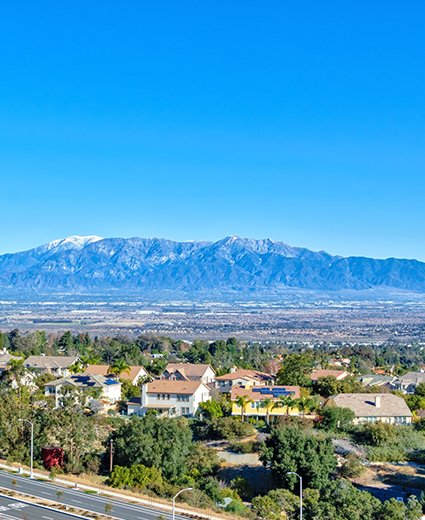
Located in the eastern portion of San Bernardino County, Inland Empire East encompasses a cluster of cities that combine logistical convenience with growth-ready fundamentals—most notably, Bloomington, Colton, Fontana, and Rialto.
This subregion benefits from the same overarching trends that have made the greater Inland Empire a hotbed for investor activity: rising demand for workforce housing, continued migration from high-cost coastal areas, and proximity to job hubs in both the Inland Empire and Los Angeles County. However, what sets Inland Empire East apart is its room for expansion—both in terms of population growth and property development.
The area sits at the crossroads of major transportation routes, with access to Interstates 10 and 215, the Metrolink system, and regional freight lines. This makes it a prime location for logistics, distribution, and warehousing—industries that continue to drive employment and population stability in the area. In fact, many renters here work in these sectors, contributing to a steady and dependable tenant base for local landlords.
Each city within Inland Empire East offers its own unique appeal. Fontana, for example, has positioned itself as a rising star with strong civic planning and active residential growth. Colton and Bloomington present opportunities for value-add investments, while Rialto is seeing more attention thanks to new developments and infrastructure upgrades.
For investors after multi-family properties for sale in markets that are still relatively affordable—but trending upward—Inland Empire East presents an excellent opportunity to get ahead of the curve. The region is evolving, and Inland Empire East is no longer just a pass-through—it’s a serious option to add to your portfolio.
Inland Empire East Multi-Family Investment Market
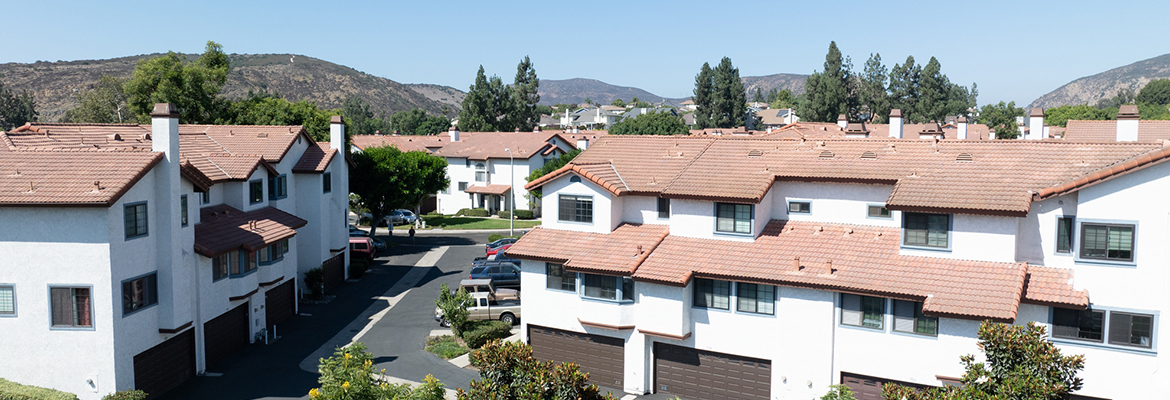
If you’ve been following the multi-family real estate market in Southern California, you’ve probably noticed a common trend: as prices and competition intensify in coastal and high-density areas, more investors are turning their attention inland. Nowhere is this more evident than in Inland Empire East, where the fundamentals remain strong, the entry points are still manageable, and the long-term upside continues to grow.
Market Insights and Investment Climate
Inland Empire East offers a market environment where investors can still find solid cap rates and relatively favorable GRMs compared to more saturated areas. While price-per-unit metrics have increased over the years, they remain attractive when balanced against the region’s income potential and appreciation trajectory.
What’s especially appealing about this part of the Inland Empire is the diversity of opportunities. Investors can find everything from smaller, entry-level multi-family assets to larger, more established buildings suitable for portfolio expansion or 1031 Exchange scenarios. There are even off-market multi-family deals available for those who know where to look—or who work with a brokerage that does.
Population Growth and Rental Demand
The region continues to see a steady influx of new residents, particularly from Los Angeles and Orange Counties, as people seek more space, lower costs, and a better quality of life. This population growth is a major driver of rental demand, particularly for workforce housing. The cities of Fontana and Rialto are leading the way in residential development, while Bloomington and Colton offer plenty of room for smart repositioning plays.
Renters here are typically employed in logistics, transportation, education, healthcare, and other essential industries, creating a reliable tenant base that prioritizes affordability, access to transit, and proximity to job centers.
Local Economy and Growth Drivers
The Inland Empire as a whole has evolved into a logistics powerhouse, and the eastern cities are no exception. With major industrial parks, distribution centers, and infrastructure projects underway, local job creation is steady. This directly supports occupancy rates and provides a strong backdrop for long-term rental growth.
On top of that, local governments are increasingly investing in revitalization projects, zoning updates, and housing expansion initiatives—further signaling the region’s development momentum.
Lifestyle, Amenities, and Community Appeal
While Inland Empire East is often viewed as utilitarian, there’s a growing cultural and lifestyle component that can’t be overlooked. Communities are becoming more vibrant, with expanded retail options, parks, dining, and local events. Tenants who move here aren’t just choosing lower rent—they’re finding a more complete place to live.
In short, Inland Empire East is no longer just the “affordable alternative”—it’s become a smart, strategic investment market in its own right. Whether you’re an owner-operator, an exchange buyer, or someone entering the multi-family space for the first time, this region offers a blend of stability, growth, and opportunity that’s hard to ignore.
Neighborhoods and Investment Potential
Bloomington
Tucked between larger cities like Fontana and Rialto, Bloomington is one of the more understated—but increasingly interesting—markets within Inland Empire East. While it may not have the visibility or density of nearby urban centers, Bloomington offers what many investors are actively seeking right now: affordability, stability, and untapped potential.
Value-Oriented Investment Opportunities
Bloomington’s multi-family housing stock is relatively limited, which makes property selection more strategic. Properties here often come with lower price tags and more land per unit, which opens the door for creative plays—whether it’s value-add renovations, ADU conversions, or long-term holds with low operating overhead.
For investors looking to enter the Inland Empire East market without stretching their budgets, Bloomington serves as a cost-effective entry point with less exposure to the volatility seen in larger metros. It’s a strong option for buyers who are more focused on steady cash flow than rapid appreciation.
Tenant Demand Driven by Livability
Though small, Bloomington is part of a larger employment ecosystem, thanks to its proximity to key distribution centers and logistics employers throughout the region. Many renters here work in warehousing, transportation, and other blue-collar industries that value convenience and affordability over luxury.
The renter profile tends to skew toward working families and multi-generational households, which leads to relatively low turnover and strong retention—especially for units near schools, parks, or commuter corridors. For landlords, this translates to predictable occupancy and less frequent marketing costs.
Accessible, Yet Underrated
Bloomington sits along Interstate 10, giving it strong east-west access across the Inland Empire and into Los Angeles County. It’s also close to Fontana’s expanding retail core, giving tenants access to shopping, dining, and community resources without having to pay premium rents.
While the city itself may not boast the infrastructure of its neighbors, that’s exactly what makes it appealing to certain investors. Bloomington remains one of the few places in the region where it’s still possible to buy multi-family properties below the radar and where patient investors can find long-term value without overpaying for location.
Colton
Located at the crossroads of multiple freeways and just minutes from San Bernardino, Colton
is a centrally positioned city with strong investment potential for multi-family buyers. Often overlooked in favor of its larger neighbors, Colton offers an urban edge and a growing rental base driven by both accessibility and affordability.
Strong Connectivity, Stronger Demand
With direct access to Interstates 10, 215, and 91, the city serves as a transportation hub for residents commuting throughout the Inland Empire and into Los Angeles. This level of connectivity has contributed to a steady demand for rental housing, especially among tenants working in healthcare, logistics, and education.
The city is also home to several hospitals and medical facilities, including Arrowhead Regional Medical Center, which brings a stable stream of renters seeking housing close to work. This proximity to employment makes Colton a smart pick for investors looking to maintain high occupancy and target essential-worker tenants.
Entry-Level Price Points with Upside
Colton continues to offer competitive pricing for small to mid-size multi-family assets, especially compared to more aggressively priced markets like Fontana or Rancho Cucamonga. Many properties in Colton have not yet been repositioned, giving investors the chance to add value through renovations, improved property management, or re-tenanting strategies.
While it’s not a market for luxury builds or trophy assets, it is one where investors can realize meaningful returns through operational improvements and a long-term mindset.
A Diverse and Reliable Renter Pool
The renter demographic in Colton is diverse, with a strong presence of families, younger professionals, and long-term tenants who appreciate the city’s central location and competitive rents. While turnover can be slightly higher than in suburban areas, well-maintained properties with basic amenities tend to perform consistently here.
Colton may not make headlines, but it delivers results for investors who value strong fundamentals and a hands-on management style. For multi-family buyers looking to expand their footprint in Inland Empire East without chasing the trendiest zip codes, Colton offers the kind of reliable performance that supports both cash flow and long-term value.
Fontana
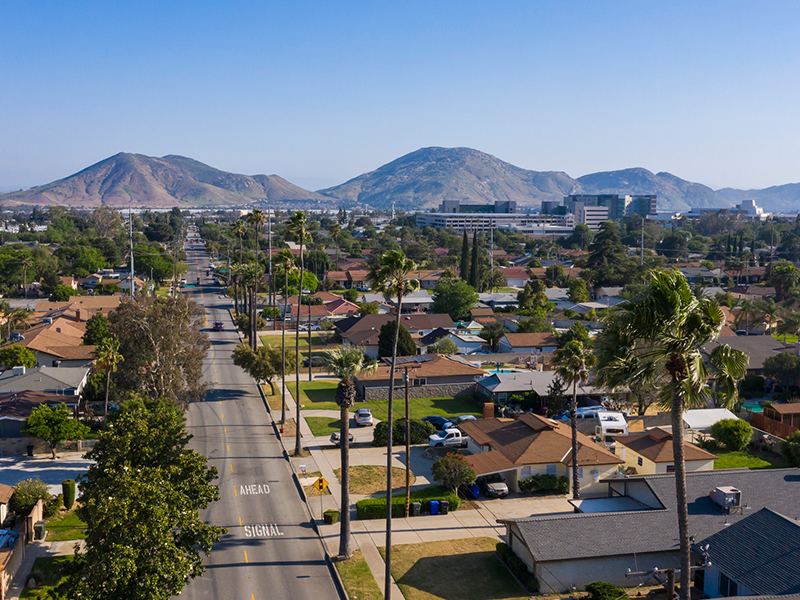
Among the cities in Inland Empire East, Fontana has emerged as a clear leader in both economic growth and residential development. With strong civic planning, a pro-development stance, and increasing tenant demand, Fontana has become one of the most sought-after submarkets for multi-family investors looking for both cash flow and long-term appreciation.
Expanding Population and Development Momentum
Fontana has experienced rapid population growth over the past decade, thanks in large part to its expanding job market and reputation as a livable, family-friendly city. With new housing communities, shopping centers, and infrastructure improvements popping up across the city, Fontana is positioning itself as a full-service community with urban-level amenities and suburban affordability.
For multi-family owners, this growth translates to consistent demand for rentals—particularly among middle-income households looking for quality housing with access to schools, parks, and retail. The city’s growing population also supports upward pressure on rents, helping to drive steady returns and limit vacancy issues.
Diverse Inventory with Room for Strategy
Fontana offers a diverse multi-family inventory, ranging from newer garden-style communities to older buildings with untapped value-add opportunities. Investors can pursue a range of strategies here—acquiring stabilized assets for reliable income or repositioning dated properties to achieve higher rent thresholds.
While cap rates may be slightly lower than in nearby markets, the corresponding decrease in risk is notable. Strong tenant retention, a rising median income, and continued investment across the city make it an attractive environment for building a durable portfolio, particularly for those evaluating a Fontana income property.
Location, Infrastructure, and Tenant Appeal
Situated along major transportation corridors like Interstate 10 and Interstate 15, Fontana offers an ideal location for renters who commute throughout the Inland Empire and beyond. The city’s proximity to distribution centers, regional employers, and retail hubs adds to its appeal for working professionals and families.
The tenant pool in Fontana is highly stable, often comprised of long-term renters who view the city as a place to settle—not just pass through. For multi-family investors, this kind of consistency can translate into fewer vacancies, stronger lease renewals, and less turnover-related expenses over time.
In short, Fontana checks a lot of boxes. It’s growth-oriented, well-managed, and positioned for continued demand—all traits that align perfectly with a smart multi-family investment strategy.
Rialto
Once considered a quieter alternative to its busier neighbors, Rialto has steadily carved out a reputation as one of Inland Empire East’s most promising investment markets. With new development projects, infrastructure upgrades, and a city-wide focus on revitalization, Rialto is gaining attention from investors looking for growth markets that still offer room to scale.
Public Investment and Private Opportunity
Rialto has benefited from major public works initiatives and zoning changes that are encouraging both commercial and residential development. From expanded retail corridors to new logistics facilities, the city is actively evolving.
As the city improves streetscapes, transit options, and commercial corridors, surrounding neighborhoods are experiencing a gradual but noticeable uptick in renter interest. For investors, these early signs of transformation represent an opportunity to buy before pricing fully adjusts to reflect the city’s growing appeal.
Undervalued Properties with Strategic Potential
Multi-family investment property in Rialto, CA is still relatively affordable, especially when compared to nearby Fontana or Rancho Cucamonga. Investors can often find properties with solid bones that simply need better management, light renovation, or modern amenities to attract quality tenants and increase net operating income.
This market supports a strong value-add strategy. With a tenant base that appreciates updated, well-maintained units—but doesn’t expect luxury finishes—owners can see impressive returns from thoughtful, budget-conscious upgrades.
Workforce Housing with Reliable Demand
Rialto’s population is primarily composed of working families and professionals employed in logistics, manufacturing, and public service. These renters value affordability, space, and access to nearby job centers. With multiple freeway connections and proximity to key employment zones, Rialto offers practical appeal to a broad base of tenants.
Rental demand in Rialto tends to be steady, and turnover is manageable—particularly for landlords who offer competitive pricing and responsive management. As new retail and entertainment options begin to take root, the area is becoming more attractive not only to renters but also to long-term investors.
Rialto’s combination of affordability, infrastructure improvements, and upward trajectory makes it a smart place to watch—and to invest.
The Apartment Dealer: Your Trusted Real Estate Professionals
Inland Empire East offers more than just affordability—it offers opportunity. From Rialto’s steady revitalization to Fontana’s rapid expansion, the region has become a destination for serious multi-family investors as part of a broader growth strategy. At The Apartment Dealer, your multi-family real estate agents, we guide clients through these markets with clarity and a focus on long-term performance.
If you're ready to expand your portfolio or explore the multi-family real estate market in Inland Empire East, contact us at 626.427.0786 or leave a message here. Let’s build long-term wealth together, one smart investment at a time.
Listings
AIOS Custom iHomefinder Shortcode Results Page: Error! Unable to find iHomefinder main container...