
Multi-family Investments In East Los Angeles
Average Price
Per Unit
Average CAP Rate
Average GRM
Average Price
per Square Foot
East Los Angeles draws investor attention as it can offer durable rental demand and multiple paths to long-term upside in a relatively compact part of the city. For buyers looking for multi-family homes for sale in East Los Angeles, the smartest first step is understanding that this is not a one uniform market; pricing, tenant dynamics, and local regulations can shift noticeably from one neighborhood pocket to the next.
This guide focuses on three locations investors commonly compare: Boyle Heights (90023), East Los Angeles (90022), and El Sereno (90032). While they are close on the map, each can attract different investor priorities, from central access and sustained rental demand to “upside” potential and policy considerations that can affect operations.
To help investors evaluate opportunities with clarity, The Apartment Dealer breaks down these micro-markets, explains key regulatory differences, and frames the numbers that matter most when assessing multi-family homes for sale in East Los Angeles.

Table of Contents
Brief History
The East Los Angeles Corridor presents a unique opportunity for multi-family residential investors. This corridor is characterized by a vibrant and culturally rich community, attracting residents seeking affordable living options while remaining close to downtown Los Angeles. The area’s accessibility to major employment centers, coupled with its rich cultural heritage, contributes to a steady demand for rental housing, making it an intriguing choice for investment.
Economic diversity is a notable feature of the East Los Angeles Corridor, with industries ranging from healthcare to retail and manufacturing, providing employment stability. This contributes to a resilient rental market, offering investors the potential for consistent rental income and property value appreciation.
Transportation options in the East Los Angeles Corridor are varied, with major highways and public transit routes facilitating easy access to downtown Los Angeles and neighboring areas. Investors should consider the specific demographics, cultural nuances, and community dynamics in different neighborhoods within this corridor to tailor their investment strategies effectively.
In summary, the East Los Angeles Corridor offers a distinctive and promising region for multi-family residential investments. Its diverse population, cultural richness, economic opportunities, and accessibility factors make it an appealing destination for investors seeking long-term growth and profitability in the Southern California real estate market.
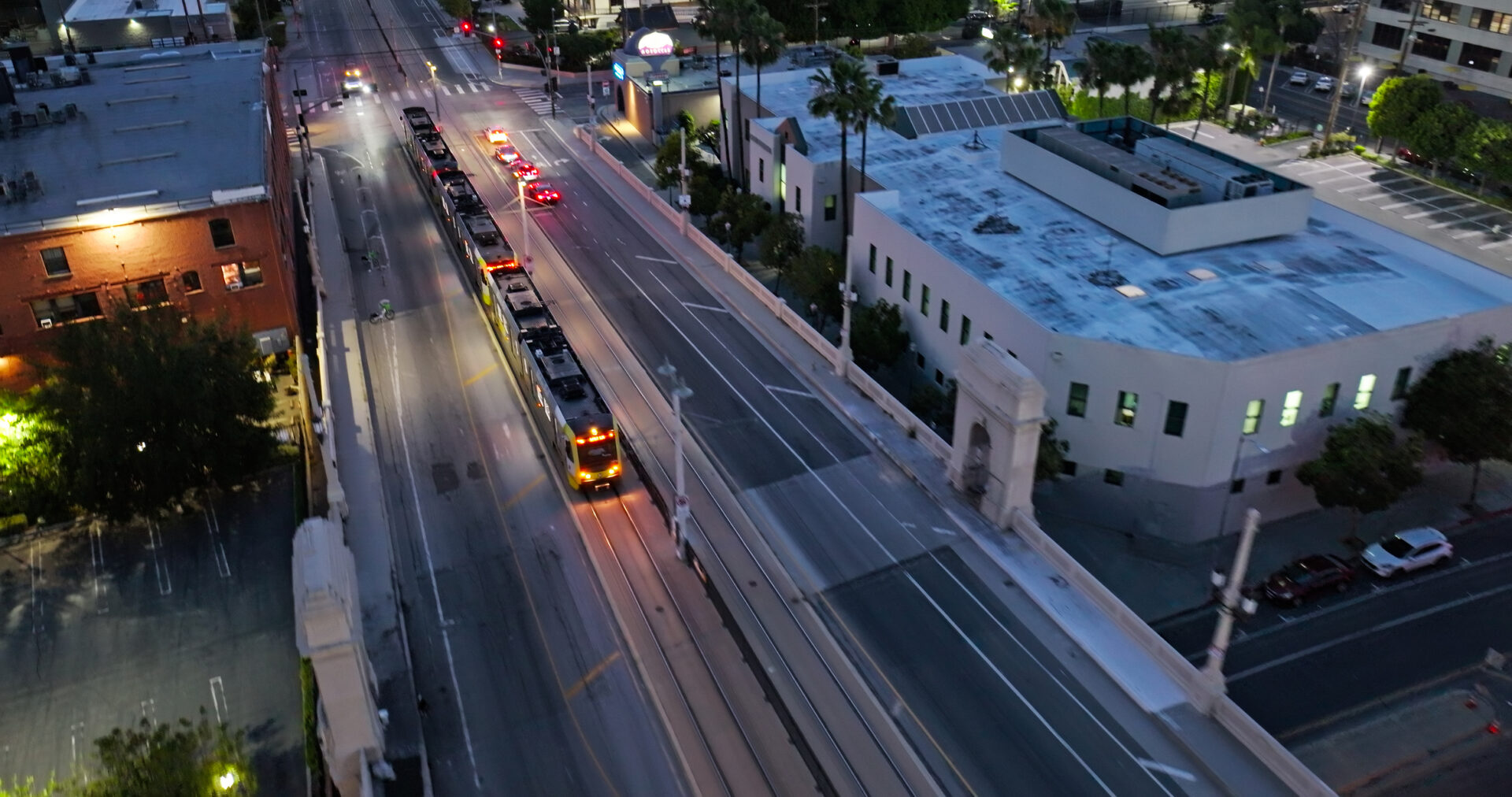
Multi-Family Investment Profiles Across East LA
Even within a tight geographic footprint, East LA’s multi-family submarkets can behave very differently from an investor standpoint. The sections below break down what typically distinguishes Boyle Heights, unincorporated East Los Angeles, and El Sereno, so buyers can match a location to their risk tolerance, strategy, and operating preferences.
-
Boyle Heights (90023)
Boyle Heights is often on the shortlist for investors who want strong renter demand in a highly connected, urban location. Its proximity to Downtown Los Angeles and major job centers can support consistent tenant interest.
From a property profile standpoint, investors commonly encounter older small multi-family buildings here, duplexes, triplexes, fourplexes, and modest apartment buildings, often with long-term tenants and a history of stable rent rolls. That can make Boyle Heights income property appealing for buyers who prefer predictable cash flow and a steady operational rhythm, especially when the property’s systems and deferred maintenance are well understood upfront.
Where Boyle Heights requires sharper investor discipline is on the regulatory side. Much of Boyle Heights falls under Los Angeles City oversight, which influences how rent increases, tenant protections, and renovation timelines play out. For many investors, this does not make the market “less attractive”; it simply means the underwriting has to be realistic, and the business plan needs to be designed for compliance, documentation, and patience. In practice, Boyle Heights rewards buyers who prioritize long-term holds, conservative income projections, and value-add strategies that focus on responsible improvements rather than aggressive repositioning.
If the goal is to acquire an asset in a central location with ongoing rental demand and a well-established neighborhood identity, Boyle Heights can fit that profile, provided the investor enters with a clear understanding of local rules and a plan that performs even under tight operating constraints.
-
East Los Angeles (90022)
East Los Angeles is frequently evaluated through a different investor lens because much of the area is unincorporated rather than governed directly by the City of Los Angeles. For many buyers, that distinction matters because it can shape which local ordinances apply and how certain rental housing policies are administered. The result is that East LA often appeals to investors who want a more straightforward operating framework, as long as they verify the property’s exact jurisdiction and applicable rules during due diligence.
In terms of the typical asset mix, 90022 offers the small multi-family properties many investors prefer when building a portfolio: duplexes and triplexes, plus small apartment buildings where unit counts and expenses remain manageable. Buyers gravitate toward properties that already show stable collections and practical tenant demand, less about dramatic transformation, and more about consistent performance with incremental improvements.
From a strategy standpoint, East LA can suit investors who want to focus on fundamentals: buying at a sensible basis, protecting cash flow, and making operational upgrades that improve durability and tenant experience without overcomplicating the business plan. It is also a market where investors can benefit from being selective about the block, the building’s condition, and the rent roll quality, because the neighborhood can shift quickly from pocket to pocket.
Investment property in East LA opportunities that balance demand with operational practicality. The key is to confirm jurisdiction, understand how local policies apply to the specific address, and underwrite carefully.
-
El Sereno (90032)
El Sereno is often viewed as an “upside” submarket within the broader Eastside orbit; close enough to major employment and lifestyle hubs to stay on investors’ radar. For many, the appeal is not only rental demand but the possibility of long-term appreciation supported by proximity, connectivity, and ongoing neighborhood evolution.
The property landscape in 90032 includes smaller multi-family formats that fit a scalable portfolio approach, especially duplexes and small buildings where renovations and operations can be managed without too much complexity. That’s why searches for El Sereno duplexes for sale tend to come from investors who want a manageable unit count, clearer oversight of expenses, and a pathway to improve performance through targeted upgrades.
Strategically, El Sereno can reward a measured value-add plan: improving interiors and building systems where appropriate, enhancing curb appeal, and strengthening tenant retention through better functionality and livability. As with the other locations, underwriting needs to stay disciplined. Not every pocket performs the same, and not every property offers a realistic path to higher rents without meaningful capital investment. Buyers who do best here typically focus on fundamentals, location within the neighborhood, condition, tenant profile, and a renovation plan that aligns with actual market demand.
In short, El Sereno attracts investors who want a balance of present-day cash flow and longer-term upside, with the understanding that the best outcomes come from buying carefully and executing improvements strategically.
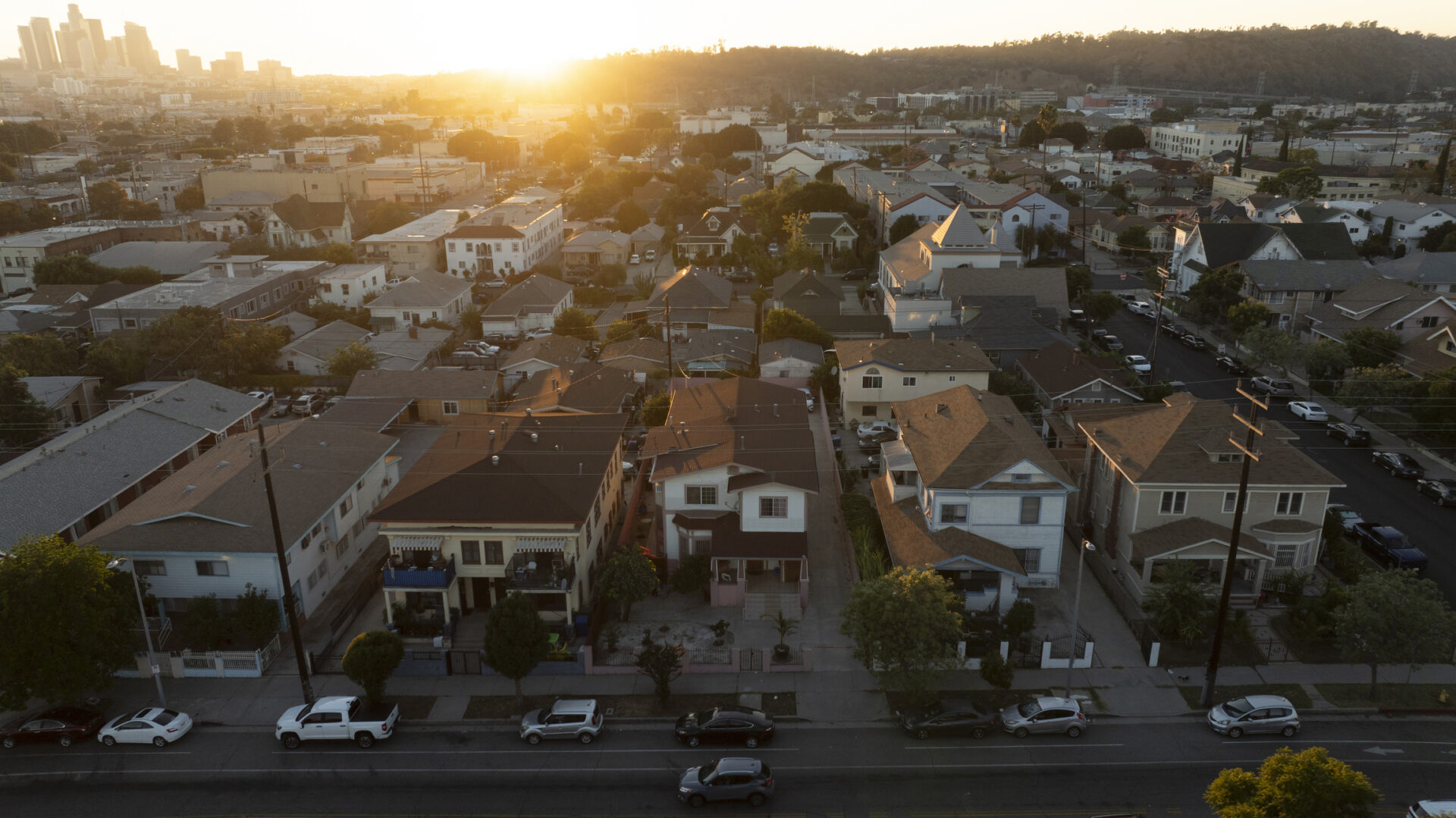
Regulations That Shape East LA Multi-Family Investing
For multi-family investors in East LA, jurisdiction is of vital importance. It can influence rent growth assumptions, renovation timelines, tenant turnover strategy, and even the documentation an owner must maintain. The key is that Boyle Heights (90023) and El Sereno (90032) generally operate under City of Los Angeles rules, while much of East Los Angeles (90022) is unincorporated Los Angeles County, which has its own rent stabilization and tenant protection framework.
-
Los Angeles City rules vs. Unincorporated County rules
The city-versus-county split is why two properties that look similar on paper can perform very differently in real life. Before underwriting rent growth or planning renovations, investors typically want to confirm exactly which ordinance framework applies to the specific address and whether the building is covered or exempt. -
Los Angeles City: RSO and Just Cause rules (common in Boyle Heights + El Sereno)
In the City of Los Angeles, many older multi-family properties fall under the Rent Stabilization Ordinance (RSO), which generally applies to rental properties first built on or before October 1, 1978 (with certain covered replacement units). For RSO-covered units, the City sets an annual allowable rent increase tied to published guidance, and it also governs key landlord-tenant requirements that can affect how an investor plans for income growth and tenancy changes.
Separately, the City maintains a Just Cause Ordinance framework that may apply to certain units not covered by the RSO (for example, some newer units), meaning eviction and tenancy termination decisions can still be regulated even when rent caps do not apply.
Investor implication: In City-jurisdiction assets, underwriting tends to benefit from conservative rent-growth assumptions and a plan that performs even if rent increases are limited and tenant transitions require additional process.
-
Unincorporated Los Angeles County: RSTPO (relevant in East LA / 90022)
In unincorporated Los Angeles County, the County’s Rent Stabilization and Tenant Protections Ordinance (RSTPO) is enforced through the County’s Rent Stabilization Program and is designed to stabilize rents (for covered units) and provide just-cause eviction protections in unincorporated areas.
A major underwriting detail is coverage. County code definitions describe “fully covered” rental units in unincorporated areas as two or more dwelling units with a certificate of occupancy issued on or before February 1, 1995 (among other provisions and exemptions). County program materials also emphasize annual registration requirements for units that are rented or available for rent (unless exempt), which becomes a practical compliance item during ownership and when pursuing certain actions such as rent increases or tenancy termination. -
Practical due diligence checklist (before final underwriting)
Because policy coverage depends on address, jurisdiction, and building characteristics, investors typically want to confirm the following early:
• Is the property in the City of Los Angeles or unincorporated County? (This drives which ordinance framework is most relevant.)
• Year built / certificate of occupancy timing (RSO commonly ties to 10/1/1978; County “fully covered” ties to 2/1/1995 definitions).
• Registration and compliance history, where applicable (important for operational continuity and risk management).
The Numbers Investors Watch in East LA Multi-Family
Even a well-located property can underperform if the underwriting is built on assumptions that do not match the current cycle. In Los Angeles, multi-family performance tends to move in waves; periods of strong rent growth and tight vacancy are often followed by stretches where new supply, affordability limits, or broader economic conditions soften pricing power. That broader backdrop matters in East LA because it reinforces a simple point: deals here reward conservative income assumptions and a clear plan for operating within local rules.
Pricing per door: why “basis” sets the ceiling on performance
In East LA submarkets, investors often start by thinking in “price per unit” terms, as it is the fastest way to compare different buildings and unit mixes. Smaller multi-family assets can trade differently than larger buildings, and factors like building condition, parking, unit layout, and tenant profile can push the basis up or down even within the same ZIP code.
A disciplined approach is to treat price-per-door as a guardrail. If the basis is too high for the rent roll and the likely expense load, the deal may require aggressive rent increases, a condition that creates risk in any cycle.
Cap rates: what they signal (and what they can hide)
In East LA, cap rates often reflect a mix of factors investors should always verify: building age, maintenance history, how stable the tenant base is, and what operating constraints apply under city or county rules. The takeaway is this: marketed returns can look attractive on paper, but the true cap rate is established after confirming real-world expenses, capital needs, and compliance requirements.
For many investors, the most reliable use of the cap rate is as a comparison tool across similar assets, not as a single number that “proves” a deal is good.
Rents and vacancy: stability matters more than a perfect projection
Rental demand in East LA is driven by fundamentals: proximity to employment centers, established neighborhoods, and the reality that many renters prioritize location and access. At the same time, rent growth and occupancy are never guaranteed. They can be affected by broader economic conditions, new construction nearby, and the local pricing ceiling that renters can realistically pay.
This is why experienced investors underwrite with a margin of safety, assuming rent growth must be earned through better operations, modest improvements, and tenant retention strategies rather than relying on rapid market appreciation.
Expense reality: the “silent” driver of net performance
Investors sometimes focus heavily on rent upside and forget that expense discipline is what protects performance over time. Older buildings common to East LA submarkets can bring real operating considerations: deferred maintenance, aging systems, insurance variability, utilities, and compliance-related costs. Even a strong rent roll can be undermined by underestimating repairs, turnover costs, and ongoing building upkeep.
Solid underwriting includes realistic reserves and an honest repair plan, especially when a property’s value-add story depends on improvements.
Putting it together: what strong underwriting looks like in East LA
When evaluating multi-family homes for sale in East Los Angeles, the strongest deals usually share the same traits:
• Basis discipline: the price per door leaves room for repairs, reserves, and a return.
• Income realism: rent assumptions reflect the property’s true condition and the tenant profile.
• Operational alignment: the strategy fits the jurisdiction and local rules, not just the investor’s preference.
• Stability-first thinking: vacancy and turnover are treated as real costs, not minor details.
Frequently Asked QuestionsAbout East LA Multi-Family Investing
Are “East Los Angeles,” Boyle Heights, and El Sereno the same market?
Not in practice. They sit close together, but they can behave like three different investment profiles. Boyle Heights (90023) and El Sereno (90032) are generally evaluated as City of Los Angeles submarkets, while much of East Los Angeles (90022) is unincorporated LA County. That jurisdiction split can affect operating rules, rent strategy, and timelines, so investors should treat them as distinct when underwriting.
What types of properties are most common when searching for multi-family homes for sale in East Los Angeles?
Most investor inventory tends to be small multi-family: duplexes, triplexes, fourplexes, and smaller apartment buildings. In Boyle Heights, the housing stock often includes older assets with longer-tenured tenants, which can mean stable occupancy but a more rules-driven approach. In 90022, many buyers focus on clean, manageable unit counts that are easier to operate. In 90032, searches for El Sereno duplexes for sale often reflect a “small and scalable” buy box with selective upside.
Is Boyle Heights income property better for cash flow or appreciation?
It depends on the asset and the basis paid. Boyle Heights income property often appeals to investors who want demand-driven occupancy in a central location, but it commonly requires a conservative underwriting approach, especially if the building falls under City frameworks that shape rent growth and tenant transitions. Many buyers view Boyle Heights as a long-term hold market where stable performance can matter more than quick repositioning.
Are there “value-add” opportunities in East LA, or is it mostly stabilized product?
Both exist. Value-add shows up in different forms: light-to-moderate renovations, system upgrades, improved management, and operational cleanup (leases, expenses, utility billing, deferred maintenance). The key is that value-add in these submarkets tends to reward patience; aggressive rent assumptions can be risky if rules or tenant turnover do not move as quickly as expected.

A Clearer Path to East LA Multi-Family Decisions
East Los Angeles remains a compelling multi-family landscape for investors who approach it with clarity and discipline. The opportunity is real, but the strongest outcomes typically come from treating Boyle Heights, East Los Angeles, and El Sereno as distinct submarkets, each with its own operating realities, tenant dynamics, and underwriting standards. When buyers match strategy to jurisdiction, prioritize basis over hype, and build a plan that works under real-world constraints, East LA can support both steady performance and long-term upside.
Schedule a consultation and call 626.427.0786 or send an email. You can also visit The Apartment Dealer’s YouTube channel for the latest updates.
Listings
AIOS Custom iHomefinder Shortcode Results Page: Error! Unable to find iHomefinder main container...